

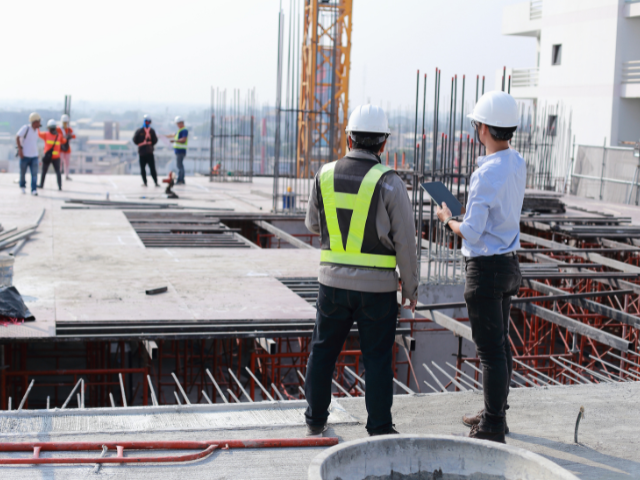
What Makes Good Construction Sitework?
Sitework is one of the most important phases of any construction project because it prepares the land for everything that comes next. Before foundations, roads, parking areas, utilities, or vertical construction can move forward, the site has to be cleared, graded, stabilized, drained, and coordinated properly.
Good sitework requires more than moving dirt. It depends on planning, soil evaluation, drainage control, utility coordination, safety, environmental compliance, and the right sequencing from the earliest stages of the project.
For commercial, municipal, and institutional projects, strong site work can help reduce delays, prevent avoidable change orders, and create a safer, more predictable path from preconstruction to final restoration.
1. Soil Conditions Assessment
Assessing soil conditions is one of the first steps in any sitework project. Soil characteristics affect grading, compaction, drainage, foundation planning, pavement performance, and long-term site stability.
A proper assessment may include soil sampling, geotechnical review, density testing, moisture evaluation, and recommendations for excavation, backfill, compaction, or stabilization. These findings help determine how the site should be prepared before construction begins.
When soil conditions are not reviewed early, projects can run into settlement issues, drainage problems, unstable subgrades, or unexpected excavation needs. Coordinating soil review with grading and excavation helps keep the sitework plan aligned with the actual conditions in the field.
2. Clearing and Grading
Clearing and grading prepare the site for construction by removing trees, brush, debris, unsuitable materials, and other obstacles. This work also shapes the land to meet the required elevations, drainage patterns, and construction layout.
Depending on the project, this phase may include land clearing, selective removal, rough grading, cut and fill work, and coordination with erosion control requirements.
Large commercial and municipal sites may also require mass grading services to move significant volumes of material efficiently. Once the broader elevations are established, fine grading services help prepare the site for pavement, concrete, landscaping, utilities, and final construction phases.
3. Drainage and Erosion Control
Drainage planning is critical to successful sitework. Poor drainage can damage pavement, slow construction, create unsafe working conditions, and affect neighboring properties.
Good drainage design may include swales, storm sewer systems, detention areas, grading adjustments, and erosion control measures. During construction, erosion control tools such as silt fence, inlet protection, sediment controls, and stabilized access points help reduce runoff and protect the surrounding environment.
For projects with underground drainage needs, sitework should be coordinated with storm sewer installation and broader site utilities planning. This helps make sure drainage infrastructure supports the finished site, not just the construction phase.
4. Utility Installation and Coordination
Utility installation is another major component of construction sitework. Water, sanitary sewer, storm sewer, gas, electric, and communications infrastructure all need to be planned around the site layout, building placement, access roads, grading, and future maintenance needs.
Underground utility work may involve trench excavation, pipe installation, bedding, backfill, compaction, testing, inspections, and restoration. For many projects, this requires careful coordination between engineers, municipalities, utility providers, inspectors, and site contractors.
Verdeterre supports utility-heavy projects through services such as water main installation, sanitary sewer installation, utility trenching, and trenchless utility installation.
When utility work is planned early, the project team can reduce conflicts, avoid unnecessary rework, and keep underground infrastructure aligned with the rest of the sitework schedule.
5. Pavement and Surface Preparation
Pavement and surface preparation depend heavily on what happens below the finished surface. Roads, parking lots, sidewalks, loading areas, and pads all need a stable, properly compacted subgrade.
This phase may include grading, moisture conditioning, proof rolling, aggregate placement, compaction, and preparation for asphalt or concrete installation. The goal is to create a strong base that supports long-term performance and reduces the risk of settlement, rutting, cracking, and drainage issues.
For many commercial sites, aggregate base installation plays a key role in creating a durable foundation for paved surfaces and structural site elements.
6. Environmental Compliance
Environmental compliance should be built into the sitework plan from the beginning. Construction activities can affect soil, water, vegetation, drainage, wetlands, neighboring properties, and public infrastructure.
Depending on the location and scope of the project, sitework may require permits, erosion and sediment control measures, stormwater planning, material handling, waste disposal coordination, and inspections.
Planning for compliance early helps reduce delays and protects the project from avoidable fines, rework, and shutdowns. It also supports safer, cleaner, and more predictable construction operations.
Best Practices for Strong Sitework Execution
Every project has different site conditions, schedules, and requirements, but the best sitework plans usually share a few common practices:
- Start with a complete site plan. Review grading, drainage, utilities, access, staging, erosion control, and sequencing before work begins.
- Coordinate sitework and utilities early. Utility conflicts can cause expensive delays if they are discovered after clearing or grading has already started.
- Use the right equipment and technology. Modern equipment, GPS layout, and project coordination tools can improve accuracy and reduce rework.
- Prioritize safety. Site markings, traffic control, trench protection, equipment access, and worker training all help keep the jobsite safe.
- Inspect throughout the process. Regular site review helps catch drainage, compaction, utility, or sequencing issues before they affect the next phase.
- Plan for restoration. Good sitework does not stop when the major excavation is complete. Final site restoration helps return the site to a finished, functional condition.
Using Project Experience to Improve Sitework Planning
Complex sitework requires practical field experience. Drawings and plans are essential, but real jobsite conditions often require coordination, problem solving, and schedule awareness.
Verdeterre’s project experience includes sitework and utility scopes such as the Hilltop Apartments for Avalon Housing, which included stormwater, water, and sanitary sewer systems for a multi-building residential development, and the Monroe County MDOT Facilities project, which involved earthwork, new storm sewer, water main, and sanitary sewer systems across multiple facilities.
Projects like Auburn Road Reconstruct – MDOT 38 also show how water main work, earthwork, road reconstruction, and public infrastructure coordination can overlap on active construction sites.
Good Sitework Sets the Project Up for Success
Proper sitework helps construction projects move forward with fewer surprises. From soil review and clearing to drainage, utilities, grading, pavement preparation, and restoration, each phase affects the stability, safety, and schedule of the project.
As a full-service site preparation and development contractor, Verdeterre helps commercial, municipal, and institutional clients prepare sites for complex construction needs throughout Michigan.
Explore our services or review our project profiles to see how Verdeterre supports sitework, utilities, excavation, grading, and infrastructure projects from the ground up.