

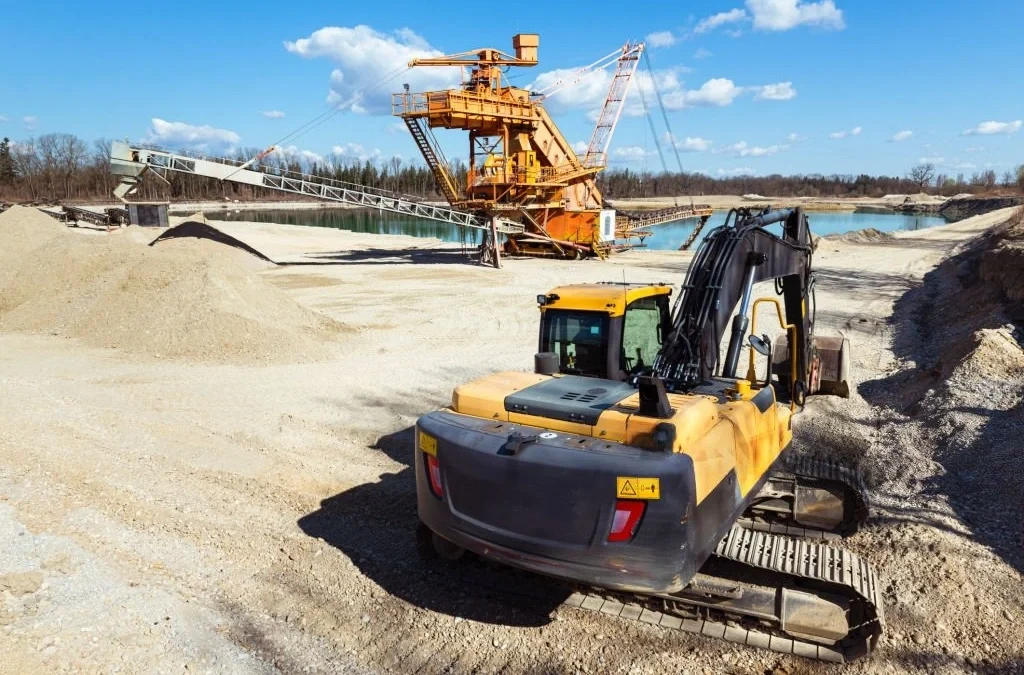
Advancements that ensured efficiency in 2025 sitework
Throughout 2025, Michigan contractors adopted digital and mechanical innovations that reshaped earthmoving workflows. Early pilot programmes that integrated sensor telemetry and predictive analytics reported a 28 percent reduction in unplanned rework and a 12-hour decrease in cycle time for every 1,000 cubic yards moved. Field managers accessed live dashboards displaying machine performance, soil density readings, and weather forecasts, enabling them to adjust operations within 1 hour instead of 1 day. These real-time insights also informed pre-mobilization planning, helping project teams align equipment staging with production goals and weather windows. The combined effect was steadier progress, fewer schedule disruptions, and measurable cost savings on major infrastructure and commercial sites.
AI-enhanced earthmoving equipment
Machine learning control systems now optimize blade pitch, engine output, and travel speed based on live soil moisture, compaction, and grade sensor data. During a university laboratory expansion in Ann Arbor, these adaptive controls reduced fuel usage by 15 percent and maintained finish grades within a 0.02-foot tolerance, far exceeding manual operation benchmarks. The same algorithms analyse tire pressure and hydraulic flow trends to predict component wear before breakdowns. Fleets running AI-guided machines achieved a 95 percent uptime ratio, minimising unplanned stops that typically add 2 work days per 100 machine hours.
Electrification and autonomous machines
Battery electric excavators entered commercial service on several large sites, replacing diesel units in trench and footing work. At a 300-acre logistics park near Detroit, electric models cut energy costs by 60 percent and noise levels by 8 decibels, easing permit approvals in residential zones. Autonomous haul vehicles handled repetitive loading cycles with 14 percent greater net productivity than operator-driven trucks. Human operators shifted focus to safety oversight and quality assurance, improving compliance with site regulations. These developments reduced labour overhead and boosted machine efficiency under demanding conditions.
High-frequency aerial mapping
Drones equipped with LiDAR and photogrammetry perform daily topographic surveys, producing 2-centimeter resolution point clouds in under 2 hours. These scans feed directly into machine control software, eliminating manual staking and enhancing safety near active equipment. On a municipal utility project, daily aerial mapping detected elevation variances greater than 0.05 feet before they widened into drainage problems, saving USD 85,000 in corrective grading. The rapid feedback loop supported precise mass grading of Michigan operations, ensuring pads were ready for foundation pouring on schedule and reducing survey labour by 70 percent.
Sensor networks for real-time monitoring
Internet of Things devices embedded in the ground measure moisture, temperature, and vibration around the clock. In a recent health care campus build, sensor arrays in compacted fill reported moisture levels exceeding design parameters, triggering automated water truck mobilisation before compaction failures occurred. Vibration sensors near heavy equipment alerted supervisors to excessive machine shocks that can undermine grade precision. By integrating these signals into central dashboards, teams responded to anomalies within minutes rather than hours, preserving safety and avoiding rework that can add 8 percent to project cost.
Digital twin and 4D scheduling
Building information models now synchronize with scheduling and cost software to create dynamic 4D simulations of sitework sequences. Project managers update plans in real time when design changes occur, lowering RFI-related delays by 35 percent. On a hospital expansion in Grand Rapids, federated models prevented five shutdowns caused by misaligned utility work. This integrated approach improved coordination among civil, structural, and MEP teams, ensuring that earthwork crews, concrete finishers, and utility installers adhered to a unified blueprint and maintained steady progress.
Novel materials and green infrastructure
Advanced materials like geopolymer binders and permeable paving systems gained traction as eco-conscious alternatives. In a wastewater treatment facility upgrade, geopolymer compounds cut embodied carbon by 70 percent while providing compressive strength above 5,000 psi. Permeable pavements using 80 percent recycled concrete aggregates captured 95 percent of stormwater on site, meeting runoff regulations without large retention basins. Incorporating these solutions into sitework planning demonstrated that sustainability goals can coexist with performance targets and regulatory compliance.
Implementation checklist
- Integrate AI-guided controls and verify blade calibration against 3D models.
- Schedule daily drone flights and automate point cloud imports into machine guidance.
- Mobilise electric excavators in test zones and benchmark energy use against diesel.
- Deploy ground sensors for moisture and vibration, and connect alerts to a central dashboard.
- Source geopolymer binders and recycled aggregate,s and confirm delivery schedules before mobilisation.
Consult Verdeterre Contracting’s sitework innovation specialists for a tailored technology roadmap that future-proofs your sitework.