

How Land Clearing Supports Effective Urban Development
Land clearing is one of the first steps in turning an undeveloped or underused property into a functional construction site. Before buildings, roads, parking areas, utilities, sidewalks, drainage systems, or public spaces can be built, the land needs to be cleared, evaluated, graded, and prepared for the work ahead.
For commercial, municipal, institutional, and infrastructure projects, land clearing is more than removing trees and brush. It helps establish access, improve safety, reveal site conditions, support grading plans, and create the space needed for future construction phases.
When planned correctly, land clearing services can help developers, owners, engineers, and contractors move from raw land to construction-ready site conditions with fewer surprises.
What Land Clearing Includes
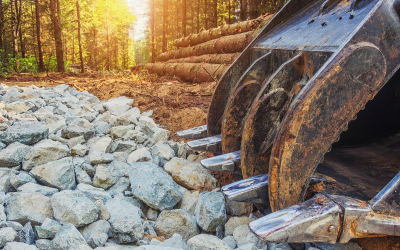
Land clearing is the process of removing vegetation, trees, stumps, brush, rocks, debris, and other site obstacles that can interfere with development. Depending on the project, clearing may also include selective removal, grubbing, hauling, rough access preparation, erosion control, and coordination with grading or demolition work.
On some sites, clearing is straightforward. On others, it must be carefully coordinated around wetlands, drainage areas, neighboring properties, utility corridors, existing pavement, structures, or areas that need to be preserved.
That is why land clearing should be connected to the broader site work plan, not treated as a stand-alone task. Clearing decisions affect grading, drainage, access, utilities, safety, and restoration.
Why Land Clearing Matters in Urban Development
Urban development often takes place on sites with limited access, existing infrastructure, neighboring properties, strict permit requirements, and tight construction schedules. In these conditions, land clearing has to support the full project plan from the beginning.
Effective clearing can help:
- Create safe access for equipment, crews, inspections, and deliveries
- Remove vegetation and debris that interfere with construction layout
- Expose existing site conditions that may affect grading or utility work
- Prepare the site for stormwater management and erosion control
- Support accurate surveying, staking, excavation, and construction sequencing
- Reduce unnecessary disturbance by clearing only what the project requires
For projects that include building pads, roads, parking areas, public infrastructure, or underground utilities, clearing should be coordinated early with site preparation and development.
Land Clearing and Site Preparation Work Together
Once a site is cleared, the next steps often include grading, excavation, drainage planning, utility installation, and base preparation. If clearing is not coordinated with those next phases, the project can run into access issues, erosion problems, rework, or schedule delays.
For example, removing vegetation without considering drainage can leave exposed soil vulnerable to erosion. Clearing without planning access routes can create inefficient haul paths. Clearing too much can increase restoration costs, while clearing too little can slow down grading and utility installation.
Strong site preparation connects clearing to the rest of the construction sequence. This may include mass grading services for larger earthmoving scopes, fine grading services for finished elevations, and grading and excavation to shape the site for long-term performance.
Environmental and Regulatory Considerations
Responsible land clearing has to account for the surrounding environment and local regulations. Clearing changes the landscape, exposes soil, and can affect stormwater runoff, vegetation, wildlife habitat, wetlands, neighboring properties, and public infrastructure.
Depending on the project, land clearing may require permits, erosion and sediment control measures, tree protection, wetland review, right-of-way coordination, or municipal inspections. These requirements should be understood before crews begin clearing the site.
Good planning helps reduce unnecessary disturbance and supports compliance throughout construction. It can also help preserve areas that should remain untouched, including buffers, drainage features, mature vegetation, or culturally significant spaces.
Land Clearing for Commercial Development and Infrastructure
Commercial and infrastructure projects often require land clearing before excavation, utilities, paving, and vertical construction can begin. This can include new buildings, parking areas, subdivisions, road improvements, utility corridors, public facilities, and municipal infrastructure projects.
On these sites, clearing is closely tied to access, staging, grading, drainage, and underground utility planning. If the site will require site utilities, clearing should be coordinated with the utility layout so crews can work safely and efficiently.
Projects may also require storm sewer installation, utility trenching, water service coordination, sanitary sewer connections, or other underground infrastructure. The earlier these needs are reviewed, the easier it is to plan clearing limits and construction sequencing.
Selective Clearing and Preservation
Not every project requires clearing the entire site. In many urban and institutional settings, selective clearing is the better approach. This means removing only the vegetation, debris, or obstacles that interfere with the project while preserving areas that provide environmental, aesthetic, or functional value.
Selective clearing can help protect existing trees, buffers, green spaces, drainage areas, or important site features. It can also reduce hauling, disposal, restoration, and stabilization needs.
For parks, campuses, cultural institutions, and community-facing developments, preserving the right areas can be just as important as preparing the construction zone.
Common Land Clearing Challenges
Land clearing can uncover issues that were not obvious during early planning. These challenges can affect the schedule, cost, and sequence of the project.
Common issues include:
- Hidden debris, old foundations, pavement, or buried materials
- Undocumented utilities or conflicts with existing infrastructure
- Wet or unstable soils after vegetation is removed
- Limited access for equipment and hauling
- Drainage problems or erosion-prone slopes
- Permit restrictions on trees, wetlands, or protected areas
- Coordination with neighboring properties, roadways, or public spaces
These issues are easier to manage when clearing is planned alongside site demolition services, grading, erosion control, and utility coordination.
From Clearing to Finished Site Conditions
Good land clearing should support the finished site, not just the first week of construction. Once clearing, grading, utilities, and surface preparation are complete, the site often needs cleanup, stabilization, topsoil, seeding, drainage correction, or other restoration work.
Final site restoration helps transition disturbed areas into finished, functional conditions. This is especially important for commercial properties, public sites, campuses, parks, municipal work, and projects located near active roads or neighboring properties.
Project Experience in Site Development
Real project experience matters because land clearing is rarely isolated from the rest of the job. It has to support grading, drainage, utilities, access, safety, and the finished use of the site.
Verdeterre’s project experience includes site development work such as the Hilltop Apartments for Avalon Housing, a 1.74-acre apartment project in Dexter that included stormwater, water, and sanitary sewer systems. Verdeterre also supported the Monroe County MDOT Facilities project, which included three ground-up maintenance and operations facilities with earthwork, storm sewer, water main, and sanitary sewer systems.
These types of projects show how clearing, grading, utilities, and site preparation need to work together to move a development from raw land to usable infrastructure.
The Takeaway
Land clearing is a critical first step in effective urban development. It creates access, removes obstacles, supports grading and drainage, reveals site conditions, and prepares the property for utilities, excavation, paving, and construction.
When land clearing is coordinated with the full sitework plan, owners and contractors can reduce risk, protect the surrounding environment, and keep construction moving more predictably.
Verdeterre supports Michigan clients with land clearing, site preparation and development, excavation, grading, utilities, and restoration services for complex commercial, municipal, institutional, and infrastructure projects.
Explore our services or review our project profiles to see how Verdeterre helps prepare sites for successful development from the ground up.