

Why Mass Grading Matters in Modern Retail Site Development
Retail site development depends on more than a good location and a strong building design. Before a store, shopping center, parking lot, loading area, sidewalk, drive aisle, or utility system can function properly, the land has to be shaped to support the full site plan.
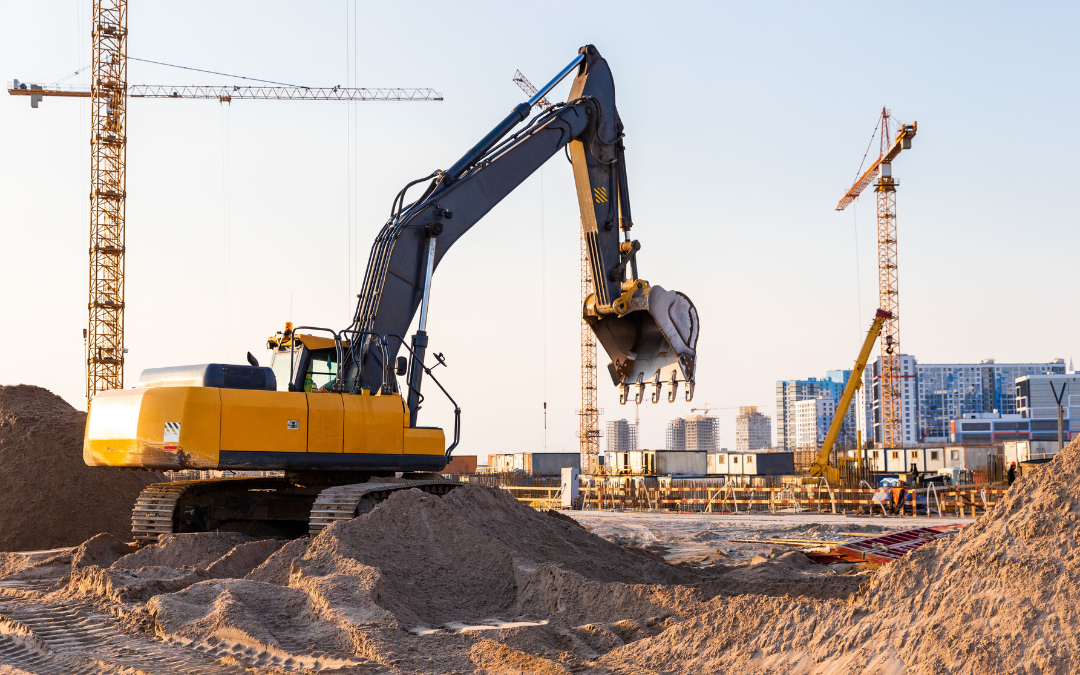
That is where mass grading becomes critical. Mass grading is the process of moving and shaping large amounts of soil to establish the broad elevations, slopes, drainage patterns, access routes, and buildable areas needed for construction.
For retail projects, effective mass grading services can help support visibility, access, parking lot performance, stormwater management, building placement, ADA considerations, utility coordination, and long-term site durability. In plain jobsite English: if the dirt is wrong, the whole site starts arguing with itself.
Mass Grading Sets the Shape of the Site
Mass grading is one of the earliest and most important phases of retail sitework. It prepares the property by cutting high areas, filling low areas, balancing material, establishing slopes, and shaping the land to match the civil plans.
On a retail site, this work affects:
- Store placement and building pad elevations
- Parking lot layout and drive aisle grades
- Customer and delivery access
- Stormwater flow and drainage patterns
- Sidewalks, ramps, and pedestrian routes
- Utility corridors and trench locations
- Landscape areas, islands, and final restoration zones
Because mass grading touches so many parts of the project, it should be coordinated with the broader site work and site preparation and development plan from the beginning.
Retail Sites Need More Than a Flat Pad
It can be tempting to think of grading as simply making the site flat, but retail sites rarely need one flat surface. They need controlled slopes, stable pads, smooth transitions, proper drainage, accessible pedestrian routes, and practical access for vehicles and deliveries.
A retail site may need to support customers arriving by car, delivery trucks reaching loading areas, pedestrians moving between parking and storefronts, emergency vehicles accessing the building, and stormwater moving away from high-traffic areas.
That means grading has to balance many priorities at once. The site must be usable, safe, buildable, maintainable, and visually clean once construction is complete.
Store Placement and Customer Access
Store placement is one of the biggest reasons mass grading matters in retail development. The building needs to sit at the right elevation for visibility, access, drainage, utilities, entrances, sidewalks, parking, and future maintenance.
Strategic grading can help create a site where customers can move easily from parking areas to entrances, where delivery areas function without disrupting customer flow, and where the building connects properly to surrounding roads, sidewalks, and utilities.
If grading is not planned correctly, the site can end up with awkward slopes, poor access, drainage issues, or transitions that are expensive to fix once paving, curbs, sidewalks, and utilities are installed.
Parking Lots, Drive Aisles, and Loading Areas
Retail sites rely heavily on paved surfaces. Parking lots, drive aisles, fire lanes, delivery areas, and loading zones all need stable subgrades and well-planned slopes.
Mass grading helps establish the broad shape of these surfaces before more precise work begins. Once the major earthmoving is complete, fine grading services help prepare the site for aggregate base, concrete, asphalt, curbs, sidewalks, and other finished surfaces.
For paved retail areas, small elevation issues can create large problems. Poor grading can lead to ponding water, pavement cracking, rutting, icy spots, settlement, or customer access issues. Strong grading helps reduce those risks before the finished surface is installed.
Drainage and Stormwater Performance
Drainage is one of the most important parts of retail site development. Retail properties often include large roof areas, parking lots, sidewalks, and drive lanes, which can create significant stormwater runoff.
Mass grading helps direct water away from buildings, pedestrian areas, loading zones, parking stalls, and high-traffic surfaces. It also supports stormwater features such as detention areas, swales, inlets, underground systems, and storm sewer connections.
When a retail site requires underground drainage infrastructure, grading should be coordinated with storm sewer installation and broader site utilities planning. The goal is to make the surface grading and underground drainage system work together instead of fighting each other like two subcontractors with bad coffee.
Soil Conditions and Subgrade Stability
Mass grading is not only about moving soil. It is also about understanding whether the soil can support the site that will be built above it.
Retail developments often include pavement, sidewalks, building pads, curbs, islands, utility trenches, and landscaped areas. Each of these areas depends on stable subgrade conditions. If unsuitable material, wet soils, organic material, or poorly compacted fill remain in place, the finished site may experience settlement or surface failures later.
During mass grading, the project team may need to remove unsuitable material, place engineered fill, manage moisture, compact soil in lifts, and coordinate testing. These steps help prepare the site for aggregate base installation, paving, concrete, building construction, and final restoration.
Utility Coordination During Retail Sitework
Retail sites often require coordinated underground utility work. Water service, sanitary sewer, storm sewer, gas, electric, communications, fire protection, and site lighting infrastructure may all need to be planned around the building, parking lot, sidewalks, roads, and drainage features.
Mass grading affects utility installation because it helps establish the elevations and access routes that utility work depends on. If utility corridors are not coordinated with grading early, the project may face rework, trench conflicts, backfill issues, or schedule delays.
Depending on the scope, a retail site may require utility trenching, water main installation, sanitary sewer installation, or storm sewer work. These utility scopes should be planned with the grading sequence so trenches, backfill, compaction, and surface restoration support the finished site.
Technology Helps Improve Grading Accuracy
Modern mass grading can benefit from GPS-guided equipment, digital models, drone imagery, survey tools, and field coordination software. These technologies help contractors compare existing conditions with design elevations and execute grading work with greater accuracy.
For retail sites, improved accuracy can help reduce over-excavation, improve material balance, support better drainage, and limit rework before paving or building construction begins.
Verdeterre uses survey technology, modern equipment, and project management integration to support communication between planning, field execution, and project stakeholders.
Mass Grading and Retail Site Aesthetics
Retail sites need to function well, but they also need to look intentional. Grading affects the way buildings, parking areas, sidewalks, landscape islands, entrances, and drainage features fit together visually.
A well-graded site helps create smoother transitions, cleaner sightlines, better pedestrian movement, and more organized surface conditions. This matters for customer experience, tenant presentation, and long-term maintenance.
Good grading does not call attention to itself. Customers may never notice it directly, which is kind of the point. They simply experience a site that drains well, parks well, walks well, and feels easy to navigate.
Cost and Schedule Benefits of Proper Mass Grading
Mass grading can have a major impact on the project budget and schedule. When grading is planned well, material can be moved more efficiently, haul-off can be reduced, drainage conflicts can be caught earlier, and future phases can move forward with fewer surprises.
Poor grading coordination can create expensive downstream problems. Paving may need correction. Utility trenches may need rework. Drainage may not perform as intended. Finished surfaces may settle. Access routes may become difficult to use.
Strong planning helps owners and project teams make better decisions around:
- Cut-and-fill balance
- Material reuse, import, or disposal
- Equipment needs
- Access and haul routes
- Stormwater management
- Utility sequencing
- Paving and aggregate base preparation
- Final restoration needs
For retail developers, this can mean fewer delays, better budget control, and a smoother path from raw land to opening day.
Common Mass Grading Challenges on Retail Sites
Retail site development often comes with tight schedules and many overlapping priorities. Site conditions can also change quickly once work begins.
Common mass grading challenges include:
- Unsuitable soils: Organic material, wet soils, debris, or unstable areas may need correction before the site can support finished construction.
- Drainage conflicts: Poorly planned slopes can create ponding, erosion, or stormwater issues near paved areas and entrances.
- Utility conflicts: Existing or proposed utilities may interfere with grading, trenching, paving, or access routes.
- Limited access: Active roads, neighboring properties, traffic, or tight sites can affect equipment movement and material handling.
- Weather delays: Rain, snow, freeze-thaw cycles, and wet soils can affect grading, compaction, and restoration.
- Schedule pressure: Retail projects often have opening dates, tenant deadlines, and phased delivery requirements that make sequencing critical.
Experienced commercial excavation services and earthmoving contractors help manage these challenges by coordinating equipment, field decisions, utilities, grading, and project communication.
Beyond Retail: Mass Grading for Commercial and Institutional Sites
Retail is one important use case, but mass grading also plays a major role in commercial, institutional, municipal, and industrial site development. Any project with buildings, parking, access roads, utilities, stormwater systems, or large paved surfaces depends on the land being shaped correctly.
Large facilities, public buildings, schools, campuses, municipal infrastructure, road projects, and mixed-use developments all need stable grades, reliable drainage, and coordinated earthwork.
In these settings, mass grading often works alongside land clearing, site demolition, excavation, utility installation, aggregate base preparation, and final site restoration.
Project Experience Matters
Mass grading requires practical field experience because every site has different soils, drainage needs, access constraints, utility requirements, and schedule pressures.
Verdeterre’s project experience includes complex sitework and infrastructure scopes across Michigan. The Hilltop Apartments for Avalon Housing project included sitework for a 1.74-acre development with stormwater, water, and sanitary sewer systems. The Monroe County MDOT Facilities project involved earthwork, storm sewer, water main, and sanitary sewer systems across multiple ground-up facilities.
Projects like these show why mass grading should be planned as part of the full site development process, not treated as a dirt-moving task floating alone in the spreadsheet swamp.
The Takeaway
Mass grading plays a pivotal role in modern retail site development. It shapes the site, supports store placement, improves drainage, prepares paved areas, coordinates utilities, and helps create a stable foundation for construction and long-term use.
For retail developers, commercial owners, municipalities, and institutional project teams, the quality of mass grading can influence cost, schedule, site performance, customer access, and future maintenance.
Verdeterre supports Michigan clients with mass grading services, grading and excavation, site work, site utilities, aggregate base installation, equipment, survey technology, and project management support for complex commercial, municipal, institutional, retail, and infrastructure projects.
Explore our services or review our project profiles to see how Verdeterre prepares sites from the ground up.