

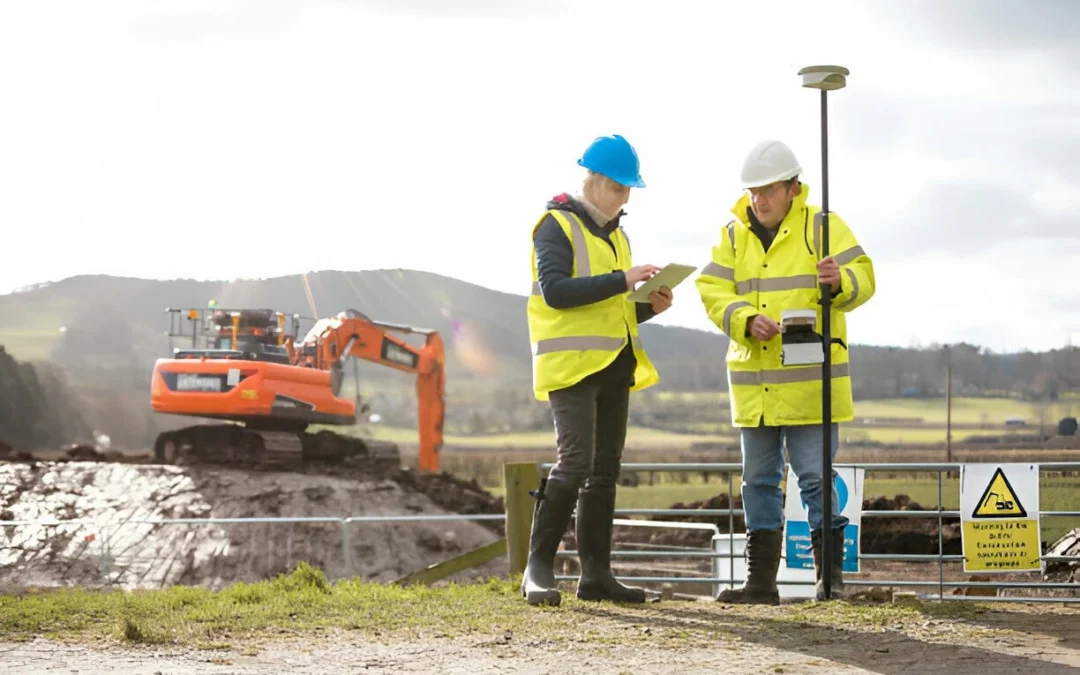
Fast site prep accelerates store openings
Retail success depends on hitting fixed launch dates tied to marketing campaigns and tenant lease clauses. Experienced site preparation contractors who join the project during schematic design calibrate grading quantities, drainage alignments, and haul-road logistics before ground is broken. A 2024 Retail Construction Index review of twenty Midwest builds showed that pads completed ten calendar days ahead of structural steel saved an average of USD 1,250,000 in change orders and captured two additional trading weekends for anchor tenants. Early engagement also means utility stubs are placed the first time, preventing the 4.7 percent budget swell typical when trenches are re-cut to match revised storefront layouts.
Avoiding weather-driven cost overruns
Michigan sees roughly 135 precipitation days each year, and saturated subgrade can halt rollers for forty-eight hours. Contractors who integrate historical NOAA rainfall data into the production schedule sequence cut operations during low-risk windows. On a recent Lansing lifestyle center, this approach kept moisture content within the two-percent compaction envelope and eliminated twelve weather shutdowns, preserving USD 380,000 in equipment standby fees.
Coordinating tenants and underground utilities early
Retail parcels host dense utility networks: domestic water, gas, fire service, fiber, and multiple electrical feeds. Weekly virtual clash-detection meetings between site preparation crews and design engineers resolve corridor conflicts before excavation, avoiding the 18 utility intersections that forced costly rework on comparable projects last year. When trenches run true, backfill reaches 98 percent modified Proctor density, providing a stable base for parking-lot pavements and eliminating warranty calls for sinkholes.
Digital tools that compress schedules
High-frequency drone photogrammetry delivers 2-centimeter-resolution point clouds in under three hours, allowing field managers to compare actual cut-fill balance with the model every Monday morning. GPS-guided scrapers linked to those updates maintain ±0.03-foot grade tolerance, removing the need for manual staking and saving 210 survey labour hours on a 115,000-square-foot pad. Production dashboards alert superintendents when haul-cycle time drifts more than ten percent above baseline, prompting immediate traffic-flow tweaks that returned 13,500 gallons of diesel to the owner’s contingency on a recent power-center build.
Budget protections gained from proactive grading
- Stockpiling on-site topsoil for landscape mounds saves hauling and import fees, trimming USD 145,000 from the site-finish line item.
- Early soil amendment with lime or cement raises the California Bearing Ratio by 30 percent, enabling thinner pavement sections that cut hot-mix tonnage by 11 percent.
- Sequenced rough grade lets masonry crews begin footing excavation two weeks sooner, reducing winter heating costs for cold-weather concrete protection.
Implementation checklist
- Approve detailed weather-risk calendar and align overtime allowances to high-productivity windows.
- Confirm the utility corridor map with local service providers and lock trench depths before staking.
- Establish an on-site soil laboratory for real-time density and moisture testing during compaction.
- Create a live haul-route dashboard that updates truck dispatch based on traffic counts and pavement wear.
- Schedule bi-weekly tenant coordination calls to integrate storefront revisions with ongoing earthwork.
Secure dependable timelines and predictable budgets, and partner with our retail site preparation specialists today to transform raw ground into revenue-ready retail space.