

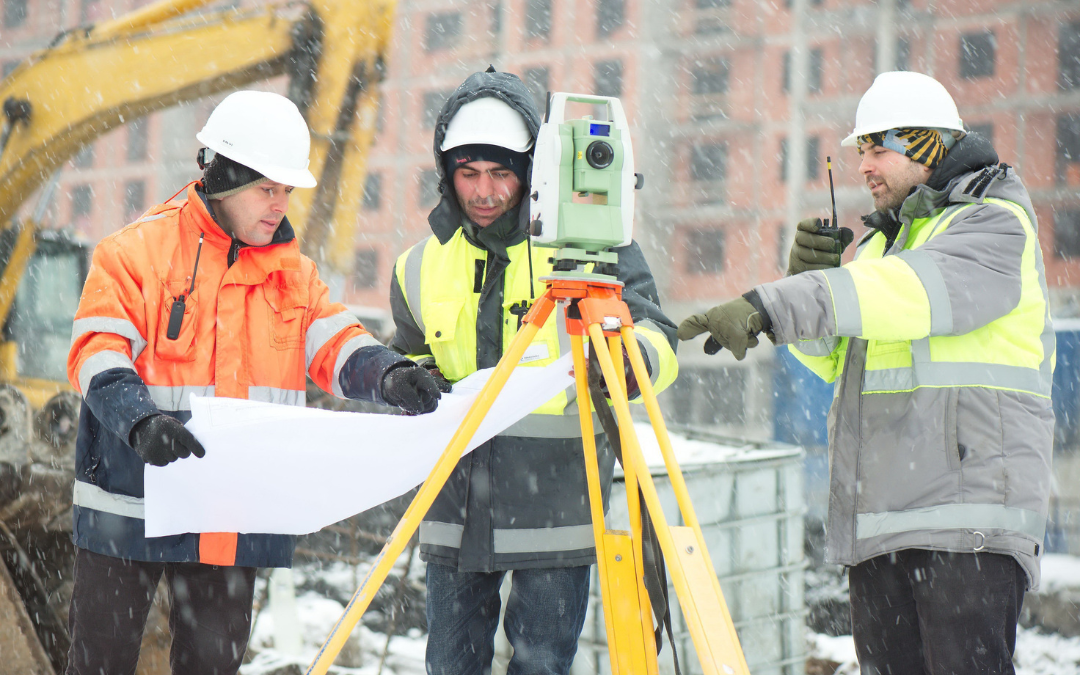
Winter Sitework Challenges in Michigan
Michigan winters can create real challenges for construction sitework. Frozen ground, snow, ice, shorter daylight hours, drainage problems, and changing field conditions can all affect how work is planned and performed.
Sitework does not stop just because temperatures drop, but winter conditions do require a different approach. Successful cold-weather work depends on planning, equipment readiness, safety protocols, schedule flexibility, and a clear understanding of how winter affects soil, access, utilities, excavation, and restoration.
For commercial, municipal, and institutional projects, experienced site work planning can help keep critical construction activities moving while reducing risk during cold-weather conditions.
How Winter Affects Construction Sitework
Winter weather can change nearly every part of the sitework process. Ground that is easy to excavate in warmer months may become hard, unstable, or difficult to shape once it freezes. Snow can hide site markings, limit visibility, slow access, and make it harder to identify drainage patterns or surface hazards.
Cold temperatures can also affect equipment performance, crew safety, material handling, compaction, and project sequencing. These conditions do not make sitework impossible, but they do make preparation more important.
Winter sitework is not just about working harder in bad weather. It is about planning smarter before conditions become a problem.
Frozen Ground and Excavation Challenges
Frozen ground is one of the biggest challenges in Michigan winter sitework. When soil freezes, it can behave differently than it does during warmer seasons. Excavation may take longer, grading can become more difficult, and trenching may require additional planning or equipment coordination.
Frozen soil can affect:
- Excavation speed and equipment efficiency
- Trench stability and utility installation planning
- Backfill quality and compaction results
- Drainage patterns and erosion control
- Final grading and surface restoration
Because frozen ground can change how soil responds in the field, winter projects should be coordinated with an experienced commercial excavation contractor. This helps align equipment, scheduling, safety, and scope with real site conditions.
Snow, Ice, and Site Access
Snow and ice can make it harder for crews, inspectors, equipment, deliveries, and other trades to move safely through the site. Access routes may need to be cleared, stabilized, and maintained throughout the work.
Snow can also cover hazards such as uneven ground, open trenches, stockpiles, drainage inlets, utility markings, and temporary access points. If these areas are not managed carefully, winter conditions can increase the risk of slips, equipment issues, delays, or rework.
For larger sites, winter access planning should be considered alongside site preparation and development. The earlier access routes, staging areas, haul paths, and snow management needs are considered, the easier it is to keep the jobsite organized.
Shorter Daylight Hours and Schedule Pressure
Michigan winters bring shorter days, which means crews have fewer daylight hours to complete work safely and efficiently. This can affect excavation, grading, utility installation, inspections, hauling, and restoration schedules.
Winter scheduling requires more than adding extra days to the calendar. Project teams need to understand which activities are most weather-sensitive, which tasks require daylight, and which phases need inspections or coordination with municipalities, engineers, or utility providers.
Strong project management integration can help teams adjust schedules, communicate field changes, and coordinate work between owners, contractors, inspectors, and utility stakeholders.
Pre-Winter Site Assessments
One of the best ways to reduce winter sitework issues is to assess the site before harsh weather arrives. A pre-winter site review can identify potential risks before snow, ice, and freezing temperatures make them harder to solve.
A winter site assessment may review:
- Existing drainage patterns and areas where water may freeze or pond
- Access routes for equipment, deliveries, and emergency access
- Utility locations, tie-ins, and potential conflicts
- Areas where frozen ground may affect excavation or trenching
- Stockpile locations and material handling needs
- Erosion control and sediment control measures
- Work zones that may need additional safety planning
This early review helps connect winter planning with broader grading and excavation, site utilities, and restoration needs.
Winter Utility Work Requires Extra Coordination
Underground utility work can be especially sensitive during winter. Frozen ground, snow cover, changing surface conditions, and limited daylight can all affect trenching, pipe installation, backfill, testing, inspections, and restoration.
Utility work may involve utility trenching, water main installation, sanitary sewer installation, or storm sewer installation. Each scope requires careful sequencing so trenches are excavated, installed, backfilled, compacted, and protected correctly.
During winter, backfill and compaction need particular attention. Wet, frozen, or unsuitable material can increase the risk of settlement after thawing. If trench backfill is not handled properly, the finished surface may later show dips, cracking, drainage problems, or pavement failure.
That is why site utilities should be planned with soil conditions, weather windows, inspection requirements, and restoration needs in mind.
Equipment Readiness in Cold Weather
Reliable equipment matters in every season, but winter adds extra stress. Cold temperatures can affect hydraulics, fuels, fluids, batteries, tires, attachments, visibility, and maintenance needs.
Winter-ready equipment helps crews work more safely and efficiently in cold conditions. This may include preventive maintenance, cold-weather operating procedures, proper storage, snow and ice management, and selecting the right machine for the soil and site conditions.
Verdeterre’s equipment resources support complex sitework, excavation, grading, utility, and infrastructure projects where reliability and field readiness matter.
GPS, Layout, and Visibility in Snow Conditions
Snow and ice can obscure site markers, stakes, utility markings, and grading references. When visual indicators are harder to see, accurate layout and communication become even more important.
Technology such as GPS-guided equipment and modern survey tools can support accuracy when field conditions are less than ideal. These tools can help crews maintain alignment, elevations, and grading intent even when snow cover makes the site harder to read.
For projects with tight tolerances or multiple phases of excavation and grading, survey technology can help improve coordination between plans and field execution.
Cold-Weather Safety Comes First
Winter sitework introduces additional safety concerns. Cold stress, frostbite, hypothermia, slips, reduced visibility, equipment access, icy slopes, and snow-covered hazards all need to be managed carefully.
Cold-weather safety planning may include:
- Proper winter gear and anti-slip footwear
- Regular safety briefings and weather updates
- Breaks and warming plans during extreme cold
- Clear access routes for crews and equipment
- Visible marking of hazards, trenches, and work zones
- Snow and ice management around active work areas
- Communication plans for changing conditions
Efficiency matters, but winter work should never be rushed at the expense of safety. A well-planned winter site is safer, cleaner, and easier to manage.
Winter Drainage and Erosion Control
Drainage can be unpredictable in winter. Snow accumulation, freeze-thaw cycles, frozen soil, blocked inlets, and sudden thaws can all create water management issues on active construction sites.
If drainage is not planned correctly, water can pond, freeze, erode exposed soil, undermine access routes, or interfere with excavation and utility work. Winter drainage planning should account for both frozen conditions and thaw events.
For projects involving drainage infrastructure, winter work should be coordinated with stormwater planning, grading, and storm sewer installation. Keeping water under control helps protect the jobsite and the finished condition of the project.
Final Restoration After Winter Work
Winter sitework often requires follow-up attention once warmer weather returns. Freeze-thaw cycles, temporary access routes, trench backfill, and disturbed soil can all need inspection after conditions change.
Final site restoration helps transition the site from active construction to stable, finished conditions. This may include grading touch-ups, topsoil placement, seeding, cleanup, drainage correction, surface repair, or stabilization of disturbed areas.
Planning for restoration early helps owners avoid surprises later, especially when winter work affects areas that will become pavement, sidewalks, landscaping, drainage features, or public access points.
Project Experience Matters in Michigan Winters
Winter sitework requires practical field experience. Drawings and schedules are important, but Michigan weather often forces teams to adapt in real time.
Verdeterre’s project experience includes utility, road, grading, and sitework scopes across Michigan, including the Monroe County MDOT Facilities project with earthwork, storm sewer, water main, and sanitary sewer systems, and the Auburn Road Reconstruct – MDOT 38 project with water main installation, earthwork, and road reconstruction.
Projects like these show why winter sitework planning must account for utilities, access, equipment, safety, schedule, and restoration from the beginning.
The Takeaway
Michigan winter sitework comes with real challenges, including frozen ground, snow, ice, shorter days, drainage concerns, utility coordination, equipment readiness, and cold-weather safety. With the right planning and field experience, those challenges can be managed without losing control of the project schedule.
Verdeterre supports commercial, municipal, institutional, and infrastructure clients with site work, excavation, grading, utilities, trenching, and restoration services throughout Michigan.
Explore our services or review our project profiles to see how Verdeterre helps keep complex sitework moving, even when Michigan weather decides ponerse intensa.